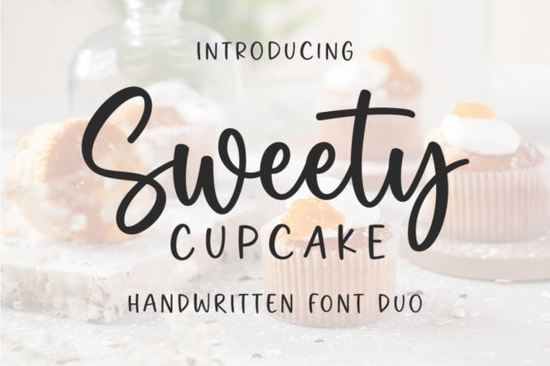
If you need a typeface that balances structure with charm, Sweet Cupcake Font delivers exactly that without overwhelming your layout. Crafters, POD sellers, and independent brand owners often struggle to find pairings that read cleanly while staying personal. This release solves that problem by combining a crisp sans serif with a relaxed handwritten counterpart. You get two complete families in one package, giving you room to build clear visual hierarchies without sorting through separate downloads.
What actually sets a paired system apart from a single family?
A traditional font forces you to rely on weight changes to create contrast. A dedicated duo works differently. The geometric sans provides stability for dates, pricing, or instructional text, while the flowing script adds personality for quotes or decorative headers. Because both share the same baseline rhythm, they sit naturally together. You will notice fewer awkward gaps and less manual tweaking compared to random combinations. If you prefer something softer, browsing gentle handwritten options shows how mood shifts when curves become lighter. Switching to textured lettering variations also highlights how surface detail changes perceived professionalism. Starting with a pre-tested pair removes most of the guesswork.
Where does this combination perform best in real projects?
Print-on-demand stores benefit immediately because customers scan quickly. A clean sans keeps product details legible at thumbnail size, while the script elevates lifestyle mockups and thank-you cards. Event designers use it for invitations where clarity meets elegance. Digital planners thrive under this pairing since busy layouts need reliable spacing alongside decorative elements. Small business owners packaging physical items can apply the script to seals, then drop the sans onto packing slips. Entrepreneurs testing fresh merch frequently compare results against established calligraphy libraries to see how classic proportions hold up across different media. Creators looking for contemporary energy often measure outcomes against brush script styles to decide what fits their niche.
How do you arrange both styles without breaking readability?
Start by assigning clear roles. Keep the sans serif set to uppercase for navigation, labels, and secondary information. Reserve the handwritten portion for primary headings or custom touches. Maintain consistent line height around the script descenders so paragraphs never look uneven. When placing text over patterned backgrounds, add a solid backing behind the script layer to preserve contrast. Adjust tracking slightly wider on the sans when used in longer blocks, since tight spacing clashes with loose handwriting. You can preview everything by embedding the pair into a basic flyer template before committing to final files. Professionals verifying glyph coverage often check the official showcase at Sweet Cupcake to confirm alternate characters match their target market languages.
When should you pick a different typeface instead?
No single duo fits every scenario. Strict corporate guidelines or technical manuals usually require mono-spaced systems. Heavy industrial branding sometimes needs stronger geometric presence than a soft script provides. If your project demands extreme kerning control across massive headlines, dedicated display families outperform casual pairings. In those cases, reviewing the complete download package alongside commercial catalog releases helps you measure whether the included weights align with your workflow. Knowing when to switch saves time and keeps your brand voice consistent.
- Set up a test document with your standard output sizes before buying bulk quantities.
- Keep the sans serif in a contrasting color to separate informational text from decorative copy.
- Export proof versions in both PDF and PNG to check compression behavior on merchandise prints.
Open a blank canvas, place three sample lines in each style, and evaluate spacing against your brand guidelines. Once you confirm the rhythm feels balanced, duplicate that master layout and adjust colors or dimensions for your next drop. This quick validation step prevents mismatched alignment issues later and keeps your production pipeline moving smoothly.
Explore Design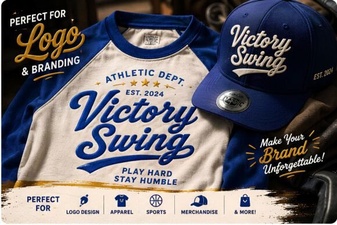 Victory Swing Font: Design Ideas & Creative Uses
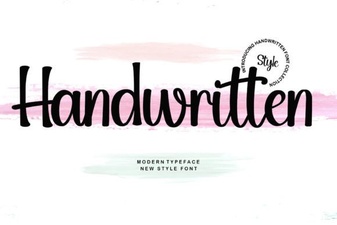 Craft Projects with Creative Handwritten Fonts
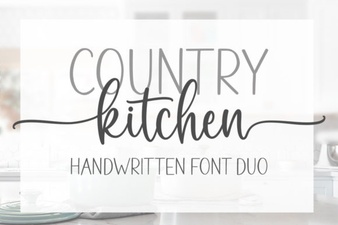 Rustic Charm: Country Kitchen Font Ideas
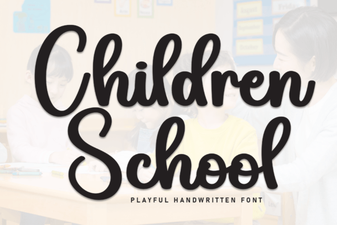 Fonts for Schools: Creative Typefaces for Children's Projects
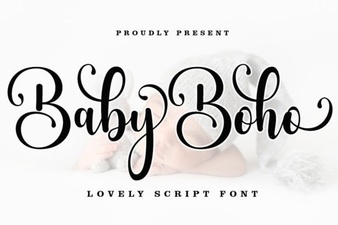 Crafting Soft & Creative Boho Baby Font Designs
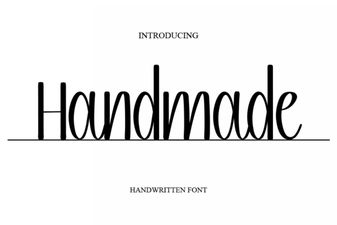 Craft Creative Projects with Handmade Fonts