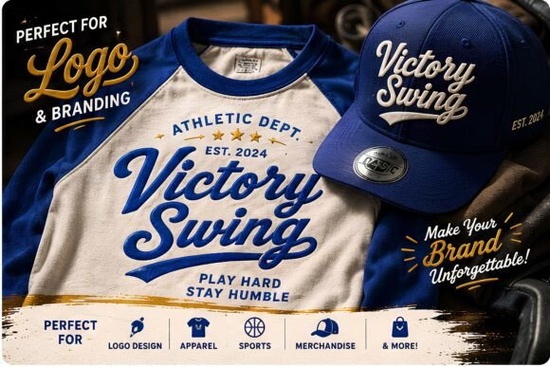
When you are working on a new merchandise line or updating a brand identity, finding the right typeface makes a big difference. That is exactly where Victory Swing Font steps in. It brings a bold, vintage energy straight from classic sports lettering and mid-century advertising. If you have been searching through options without landing on something that feels both professional and nostalgic, this typeface might fit your current project. Within the script fonts category, it fills a specific gap by balancing heavy athletic strokes with clean, predictable spacing. You can preview the full character set at Victory Swing Font before purchasing to verify its alignment.
What Design Projects Benefit Most From This Type Style?
This letterpair leans into the retro athletic aesthetic while keeping a readable structure. Designers creating apparel graphics, event posters, or cafe branding often want something that carries weight without looking cluttered. The heavy strokes paired with smooth curves give it a balanced presence on dark backgrounds and bright fabric prints. Small business owners frequently pair it with simple geometric shapes to create cohesive logo lockups that stand out on social media banners. If you prefer softer decorative options for boutique packaging, you might also explore lighter alternatives like Randy Sofia or Sweet Cupcake. Those styles offer a different mood but serve similar niche markets. For projects demanding a raw feel, browsing handmade brush scripts provides additional texture variations when you layer multiple typefaces.
How Does the Kerning and Swash System Actually Perform?
A common oversight is how smoothly individual characters connect. This specific typeface includes carefully spaced ligatures that trigger when letters sit close together. The swashes activate on capital letters at the start or end of a word, adding flair without breaking alignment. Because spacing is pre-adjusted, you skip manual glyph shifting. This saves hours during large batch runs, especially for print-on-demand stores managing dozens of mockups. The underlying grid stays stable under contrast modifiers. You can stack headline lines without unexpected gaps. Designers experimenting with distressed textures will notice the solid stroke weight handles filter effects well. Always flatten transparent layers before sending files to screen printers to preserve edge definition.
Is This Typeface Compatible With Major Commercial Formats?
Independent creators work across multiple ecosystems, so file compatibility matters. The package includes OpenType and TrueType versions, allowing direct use in Adobe Creative Cloud, Affinity Designer, Cricut Design Space, or Canva. Crafters cutting physical materials see stroke widths translate cleanly onto vinyl, wood, or acrylic blanks. Consistent path thickness prevents nibble loss during routing. When handling licensing for client work, verify usage limits carefully. Some platforms separate trial licenses from commercial rights. Selling finished products carrying these letters requires the appropriate tier to stay compliant. Review the full terms on the product page before setting up your workspace.
What Complementary Styles Should You Pair It With?
Vintage script headlines rarely work alone. They need supporting typography to balance visual weight. Narrow sans-serifs or condensed block letters create sharp contrast behind flowing script. Tight tracking on secondary information keeps layouts grounded while titles draw attention. Mixing a dominant display face with a minimalist subheading improves scanability across web interfaces and printed flyers. Exploring related families builds a cohesive library. The Outside font family offers geometric edges that complement rounded terminals, while other vintage options fill different historical niches. Building a curated set of compatible faces lets you switch themes without breaking consistency. Save preferred combinations as templates to launch campaigns faster.
Quick Setup and Workflow Tips
- Test scalability early by reducing sample text to three-quarter inch height on your canvas.
- Convert outlines only after finalizing spacing adjustments and kerning overrides.
- Use contrasting backgrounds to check legibility before exporting high-resolution PNGs or vector PDFs.
- Keep a dedicated folder for swash alternates and backups to avoid overwriting originals.
Before launching any commercial release, run a quick proof on your actual material. Digital screens shift colors differently than coated paper or stretch-fabric blends, so a physical test removes guesswork. Print a single prototype, let it dry completely, and inspect edges under direct light. This verification step catches misalignments or resolution drops that automated previews miss. Confirm the output matches your vision, then proceed straight to mass production.
Try It Free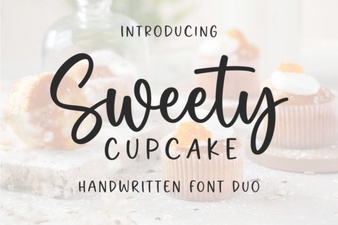 Sweet Cupcake Font for Digital Baking Projects
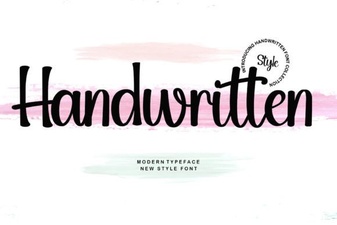 Craft Projects with Creative Handwritten Fonts
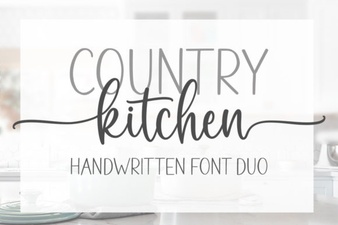 Rustic Charm: Country Kitchen Font Ideas
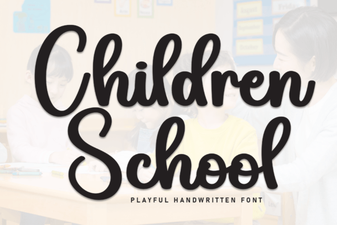 Fonts for Schools: Creative Typefaces for Children's Projects
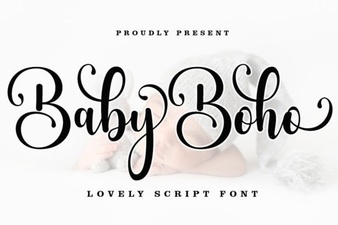 Crafting Soft & Creative Boho Baby Font Designs
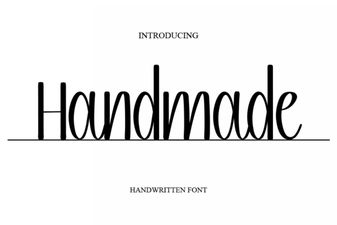 Craft Creative Projects with Handmade Fonts