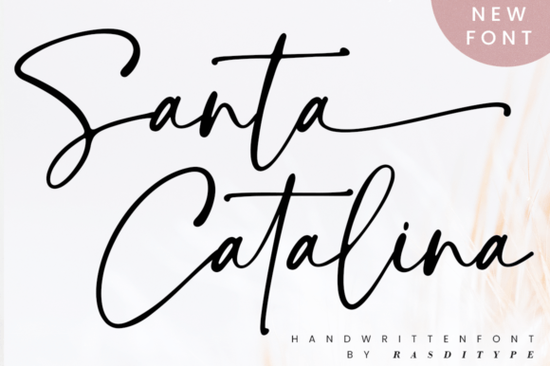
If you are designing for small businesses, craft fairs, or print-on-demand shops, Santa Catalina Font provides a reliable handwritten base. The stroke patterns feel organic without becoming difficult to scan, which is exactly what you need when creating packaging, social media posts, or printed invitations. Many creators pair it with clean sans-serifs to keep hierarchy clear, while others lean into its natural flow for full-headline treatments. You can find the complete collection of glyphs on Creative Fabrica, where the file package includes everything needed for standard design software.
What makes a handwritten script suitable for commercial work?
A script becomes commercially viable when it maintains consistent rhythm across different character heights. Santa Catalina Font delivers that steady baseline while offering enough character variation to stand out on product labels or storefront signage. The pen-like pressure shifts give letters weight without sacrificing clarity, so they remain legible at smaller sizes on tags or packaging inserts. When building a brand palette, it helps to select a primary display face like this alongside a neutral body font. You will notice how the contrast keeps attention directed toward headlines while keeping fine print easy to read. For creators who prefer softer, more casual strokes, browsing handmade script collections often reveals complementary styles that share a similar relaxed posture.
How should I position script text for different mediums?
Placement matters almost as much as the letterforms themselves. Centered arrangements work beautifully for wedding suites and greeting cards, while left-aligned blocks suit magazine pull quotes or blog feature headers. Widen tracking slightly to prevent overlapping terminals in tight spaces. If you frequently arrange text along curves or rigid grids, testing different justification options early saves hours during final export. Designers who want predictable spacing control often look toward scripts built for structured layout systems to keep margins neat across multiple pages.
Why does PUA encoding change my editing experience?
Standard keyboard shortcuts sometimes miss alternate swashes or ligatures that give a script its personality. PUA encoding solves that by mapping every decorative variant to a hidden slot inside your system font book. Open the Character Viewer, click alternate sets, and place them where the composition needs emphasis. No third-party plugins are required. This approach speeds up mockup creation and reduces formatting errors during client handoffs. Crafters who enjoy mixing delicate flourishes with bolder letter weights often explore playful script bundles to add visual variety without learning new software.
Where can this style extend beyond traditional print?
Digital formats demand slightly different handling than physical substrates. On website headers, reducing the weight or applying a soft drop shadow helps prevent glare on bright screens. Photography portfolios benefit from subtle watermark placements because the gentle curves do not overpower portrait details. Print-on-demand sellers also appreciate how the lettering translates cleanly onto mugs, tote bags, and wall art after standard vector tracing. Experimenting with mixed-media backgrounds such as watercolor washes or linen textures keeps the typography grounded rather than floating. Creators looking for unconventional pairings might check experimental script categories to find supporting faces that stretch their layout boundaries.
What steps protect my investment before downloading?
Reviewing the usage rights table takes only a few minutes but prevents costly revisions later. Verify whether personal use extends to digital products, physical merchandise, or client templates. Test the file in your primary application to confirm proper kerning and swatch placement. Keep a backup copy of the license PDF alongside your project assets so vendors or platforms never request proof again. Sellers planning boho launches or nursery collections typically compare bohemian-inspired type families to ensure mood and market alignment before committing to bulk orders.
For immediate access to the full family, visit Santa Catalina Font on Creative Fabrica and verify current licensing tiers.
Pre-Project Typography Checklist
- Open the TTF file in your design app and enable the Glyph panel.
- Set a base tracking value between fifty and one hundred fifty depending on headline size.
- Swap three swashes into a single sentence to test rhythm and balance.
- Export a low-resolution PNG preview to check contrast against your background image.
- Save the commercial license document in a dedicated Assets folder labeled with today’s date.
Start with one headline layout, lock the kerning, and move to secondary text after visual weight settles. This method keeps your files lightweight and your exports consistent across all platforms.
Get Started Sweet Cupcake Font for Digital Baking Projects
 Victory Swing Font: Design Ideas & Creative Uses
 Craft Projects with Creative Handwritten Fonts
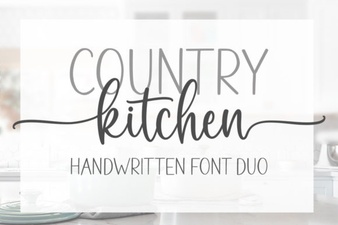 Rustic Charm: Country Kitchen Font Ideas
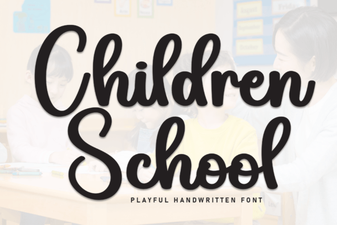 Fonts for Schools: Creative Typefaces for Children's Projects
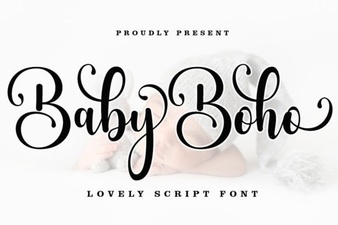 Crafting Soft & Creative Boho Baby Font Designs