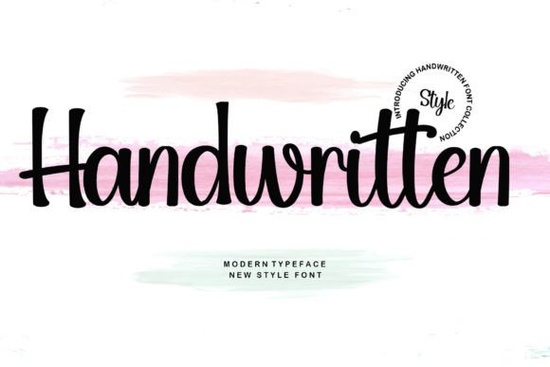
If you need a typeface that feels personal yet polished, the Handwritten Font strikes that balance immediately. Inspired by traditional calligraphy but built for modern layouts, it brings quiet sophistication to logos, packaging, and social graphics. Designers frequently seek script options that read clearly at smaller sizes, which explains why this set remains popular across creative marketplaces. The letterforms carry a contemporary rhythm without sacrificing legibility, making them suitable for wedding stationery and everyday posts alike.
Unlike overly decorative brushes, these characters maintain consistent stroke weight and smooth transitions. Careful attention to ascenders and descenders helps text flow naturally across lines. That structural discipline matters when preparing files for physical production or scaling artwork for mobile screens.
What separates this script style from standard handwriting?
Standard fonts follow rigid grids, while true pen writing varies wildly. This type sits between those extremes. It keeps the organic warmth of hand-lettering but applies refined structure underneath. The result reads as approachable rather than ornamental. This middle ground prevents the text from feeling either too robotic or too chaotic, which keeps customer focus on your message. When paired with clean sans-serifs, it grounds complex compositions without competing for attention. Combining this style with straightforward body text improves readability while maintaining brand personality.
Where do creators typically apply these letterforms?
Versatility drives its popularity across niches. Print-on-demand sellers use it for apparel and home decor because strokes reproduce cleanly. Crafters working with cutting machines appreciate how connected letters reduce weeding time compared to disjointed brush sets. Digital planners and printable quotes benefit from balanced spacing. Boutique shops selling stickers can easily layer this type over textured backgrounds without losing clarity.
Sometimes you might prefer alternative scripts depending on your project vibe. Victory Swing Font offers a relaxed motion that pairs well with boho themes. Country Kitchen Font leans into rustic charm, useful for bakery labels or farmhouse decor. Rotating through distinct letterforms prevents brand fatigue when posting daily content across multiple platforms. Those options round out a toolkit when you need distinct tonal shifts across product lines.
How do these characters handle tight layouts?
Tight kerning breaks many script fonts, but this one maintains predictable gaps. Multi-word phrases sit comfortably inside circular badges or curved label wraps. Keep point sizes above ten points for standard printing, and test a proof sheet before committing to large runs. Adjusting baseline shift slightly downward often yields cleaner finishes on rounded edges.
Which designs gain the most visual impact?
Elegant brands gravitate toward this aesthetic because it communicates refinement without appearing stiff. Cafe menus, jewelry thank-you cards, and digital lead magnets all benefit. The type carries enough character to function as a focal point while remaining subordinate as supporting copy. Pair it with ample white space to let strokes breathe. Light background colors paired with darker ink tones preserve readability while adding subtle depth to flat lays. Subtle gradients can highlight key words without overwhelming the composition.
Having a reliable script family saves hours of alignment work. Creators often organize assets by stroke width. That habit simplifies client revisions and keeps campaigns running smoothly. Occasionally, designers switch to Alignment Font when sharp geometric connections are needed, or reach for Olivia Scatcer Font during vintage projects where aged textures dominate. For playful educational materials or kids’ activity sheets, consider browsing Children School Font alongside your current selections.
What technical details matter before purchase?
Verify character set coverage, especially numbers and accented letters. Modern libraries usually include full Latin support, which matters for international markets. Check license terms regarding physical goods versus digital downloads. Rendering quality depends on export settings; use vector outlines for printers and embed features for interactive files. Keep backups outside your main workspace. Digital agencies often require explicit written permission for bulk merchandise runs, so keeping records handy prevents compliance headaches.
For a complete breakdown of licensing rules and commercial usage boundaries, refer to the official guidelines for Handwritten.
How should you prepare files for actual production?
- Preview text at actual print dimensions before finalizing layouts.
- Convert outlines to paths only after checking spellings and line breaks.
- Use CMYK color profiles for physical items and RGB for screen designs.
- Save editable source files alongside exported formats for quick modifications.
Testing a small batch first catches bleeding issues visible only on finished products. Maintain consistent naming conventions so future revisions take minutes instead of hours. Apply the script to three different mockups today and observe how spacing responds to varying widths. That hands-on comparison will show you exactly where it fits in your regular workflow. Pro tip: always export a low-resolution JPEG preview before uploading to mockup generators to speed up your selection process.
Explore Design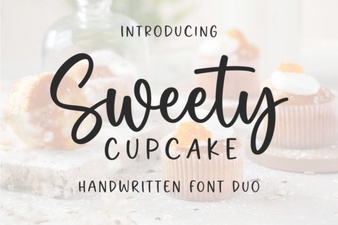 Sweet Cupcake Font for Digital Baking Projects
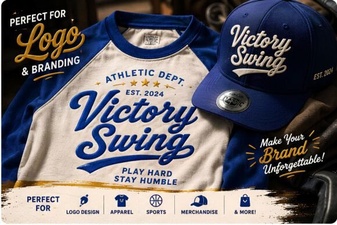 Victory Swing Font: Design Ideas & Creative Uses
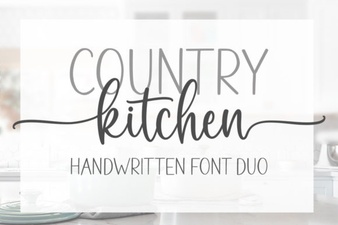 Rustic Charm: Country Kitchen Font Ideas
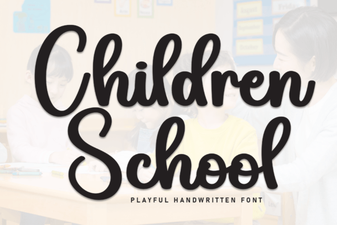 Fonts for Schools: Creative Typefaces for Children's Projects
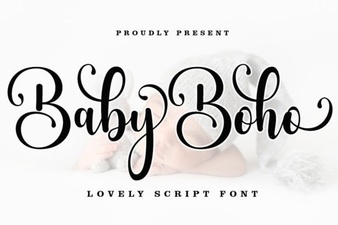 Crafting Soft & Creative Boho Baby Font Designs
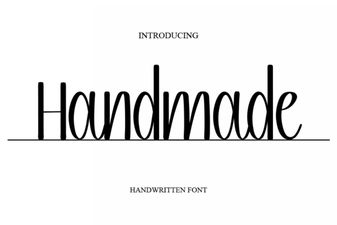 Craft Creative Projects with Handmade Fonts