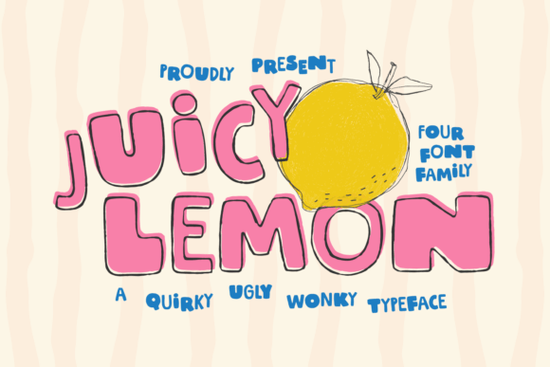
If you are looking for a typeface that immediately grabs attention without feeling stiff or corporate, Juicy Lemon Font offers a refreshingly imperfect approach to display lettering. Crafted with chunky forms and uneven spacing, it leans into a hand-drawn aesthetic that feels intentionally raw yet highly legible. Whether you are preparing merchandise mockups, designing event flyers, or updating a casual brand identity, this typeface brings a consistent sense of playful energy to bold headlines and short phrases.
Why Choose an Imperfect Display Typeface?
Clean sans-serifs have their place, but sometimes a project needs personality rather than perfection. A font with deliberately offset curves and varied stroke weights breaks up visual monotony while keeping the focus on your message. Readers respond quickly to familiar, organic shapes, which is why many independent creators prefer these styles for social graphics, boutique shop signage, and product labels. If you enjoy exploring other textured options like a similarly loose brush style or want something with a stronger outdoor vibe, weathered coastal lettering rounds out a similar creative library.
Where Should You Use This Typeface?
This style shines when used sparingly and strategically. Because every letter carries noticeable weight and slight irregularities, long paragraphs will feel heavy and difficult to scan. Instead, reserve it for titles, quotes, and call-to-action buttons. Print-on-demand sellers often pair these bold letters with flat colors or simple line art to create t-shirt designs, tote bags, and mugs that stand out in crowded marketplaces. Social media managers also find it helpful for weekend promo posts or limited-time discount banners where quick readability matters most.
Which Fonts Pair Well With It?
The strong character of this typeface means secondary text should stay quiet and unobtrusive. A light geometric sans-serif or a clean handwritten script provides the right contrast without competing for attention. You can keep the hierarchy clear by using the main face exclusively for header space, while letting neutral body copy handle all explanatory lines. Some creators also mix it with structured retro fonts for vintage-inspired campaign visuals, though balancing contrast requires careful testing at actual print sizes. Many independent makers also browse curated collection pages when searching for thematic assets, while seasonal promos often benefit from relaxed weekend-style scripts. If your current work leans toward illustrated narratives, comparing it against structured graphic layouts helps clarify where each asset fits best.
What Technical Details Should You Check First?
Before adding any new typeface to your workflow, checking licensing and file compatibility saves unnecessary delays later. This package typically includes standard desktop and web formats, making it straightforward to drop into design software, prepare files for commercial printing, or embed safely on landing pages. If you plan to scale the letters down for small tags or stitch them into embroidery projects, keep in mind that extreme reduction may smooth out the intentional rough edges. For those exploring alternative textures, visiting the official page for Juicy Lemon provides accurate specifications and sample PDF previews.
How Can You Test It Before Finalizing a Design?
Running a quick proof setup helps confirm whether the tone matches your audience. Draft three layout variations using different background colors, then view each at thirty percent size to check legibility. Notice how the uneven rhythm behaves when printed on kraft paper versus glossy cardstock. Adjust tracking or leading if the letters feel cramped, and swap out heavier accents for softer tones when working with bright color palettes. Many designers keep a shortlist of backup headers ready so they can pivot quickly when client feedback shifts direction.
Ready to Apply It to Your Next Project?
- Export the full family and run a test phrase through your layout program before committing to large-scale prints
- Pair the main headline with a lightweight sans-serif to maintain clear reading flow
- Check color contrast ratios if you plan to overlay text on photographic backgrounds
- Save exported PNG versions in both square and banner dimensions for faster social posting
Starting a fresh brand mockup or refreshing an existing storefront usually benefits from a single strong typographic choice. Pick a few key phrases, set them in a contrasting layout style, and evaluate the overall mood before adding extra decorative elements. When your primary text already carries enough personality, supplementary graphics stay supportive rather than distracting. Try adjusting spacing and alignment on your title blocks first, then layer in simple borders or subtle texture overlays once the composition feels balanced. Testing at actual production dimensions early in the process prevents costly reprints and keeps your creative pipeline moving smoothly.
Explore Design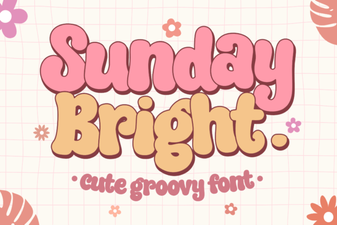 Sunday Bright: a Font for Creative Designs & Projects
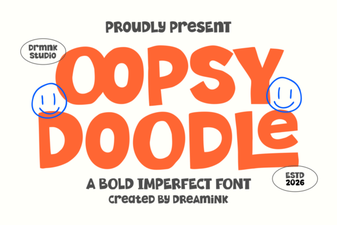 A Versatile Font for Fun & Friendly Projects
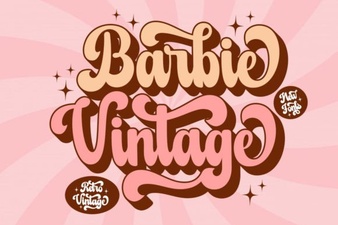 Vintage Barbie Fonts for Your Creative Projects
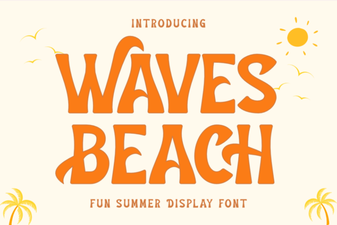 Download Waves Beach Font for Coastal Web Design
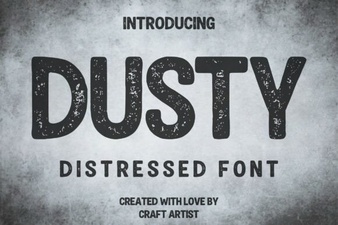 Dusty Font Projects for Artistic Designs
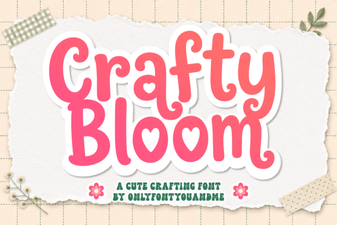 Craft Your Designs with Crafty Bloom Font