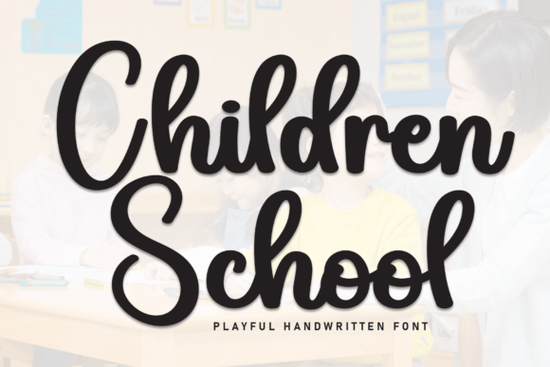
If you need a typeface that brings gentle sophistication to everyday projects without feeling too formal, this script delivers exactly that. The Children School Font Font was designed with flowing curves and a refined finish that works well for both digital content and physical prints. Crafters, print-on-demand sellers, and small business owners frequently choose it because the character set includes alternate symbols and ligatures that keep lettering looking polished instead of repetitive. When applied correctly, even short phrases like product labels or quote graphics take on a handcrafted quality.
What makes this script typeface different from standard handwriting fonts?
Many decorative alphabets prioritize drama over readability, but this design balances elegance with usability. The strokes maintain consistent weight, which reduces the need for constant adjustments when sizing down for mugs, stickers, or social media thumbnails. Unlike rough sketch styles, the clean terminals give layouts a finished appearance straight from the installation folder. You will notice how smoothly the connected letters transition, making it easier to compose multi-word quotes without awkward gaps. Designers who value efficiency appreciate that the provided OpenType features handle most spacing logic automatically.
For creators building seasonal collections, mixing this style with simpler sans-serifs creates clear visual hierarchy. A bold header paired with these flowing accents keeps attention focused while adding personality. If you prefer a looser vibe, browsing through collections of handwritten script fonts helps you compare different stroke qualities before finalizing a layout.
How to use it for printable designs and small business branding
Social media managers rely on readable yet attractive typography because audiences scroll quickly on mobile devices. This script handles short captions, giveaway announcements, and event flyers exceptionally well. Print-on-demand sellers typically render their mockups at three hundred dots per inch to prevent jagged edges. The generous counter space inside letters stays crisp after scaling, which matters when printing on fabric or paper packaging. Small brands often place the main logo in a clean geometric typeface while reserving this script for taglines and care instructions.
Wedding planners and party decorators also find value in the available punctuation marks. Question marks, exclamation points, and quotation pairs match the upper and lowercase forms, eliminating the frustration of searching for missing symbols. When designing nursery items, pairing it with softer options like trending baby and boho style scripts maintains a cohesive aesthetic across thank-you cards and banner rolls. Professionals expanding their asset libraries sometimes note how this style compares to widely used options such as premium brush calligraphy kits regarding ligature variety.
Where can I find complementary design elements?
A strong visual identity rarely relies on type alone. Watercolor backgrounds, gold foil overlays, and simple line illustrations work beautifully alongside flowing letterforms. Hobbyists designing greeting cards often build texture layers behind text to add depth without competing with the curves. For projects centered around soft tones, previewing related downloads like delicate pastel lettering sets streamlines color matching. All necessary components usually live under one subscription plan, so you do not need to manage multiple vendor accounts.
Before purchasing additional assets, reviewing sample files shows exactly how the glyphs interact. You can explore the current version at Children School to see detailed previews. Testing characters in your preferred editing program reveals spacing quirks early, saving time during bulk production.
Tips for kerning and spacing with flowing script characters
Even well-designed alphabets benefit from minor manual adjustments. Long words often stretch wider than intended, so reducing tracking between syllables prevents awkward visual weight shifts. When layering two lines of text, leave roughly twice the height of a capital letter between baselines. Dark backgrounds require slight stroke emphasis, which you can achieve by applying a subtle shadow or adjusting line thickness in vector software.
Understanding how contextual alternates function saves editing time. Instead of manually replacing individual letters, enabling automatic substitutions lets the font choose which flourishes appear at word starts versus midwords. This feature proves useful for creating seamless monograms. Crafters working with vinyl cutters should export paths as outlines to preserve every curve. Remember that certain special characters sit lower than standard numbers, so aligning pricing tags requires baseline correction in your workspace.
Most modern graphic suites include auto-kerning engines, but manual inspection remains essential for commercial files. Zoom in when checking diagonal connections between descending letters. Slight overlaps sometimes occur depending on output resolution, so running a quick preflight check catches issues before they reach the printer. Subscribing to a reliable creator marketplace guarantees access to updated file formats and technical support.
- Preview before buying: Download sample packs to test character flow at different sizes.
- Check licensing scope: Verify whether personal, commercial, or digital use covers your project type.
- Backup original files: Keep unmodified versions in case font updates alter glyph rendering later.
- Match resolution settings: Set canvas dimensions to three hundred dpi for print materials and seventy-two dpi for web previews.
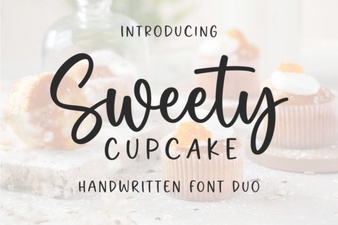 Sweet Cupcake Font for Digital Baking Projects
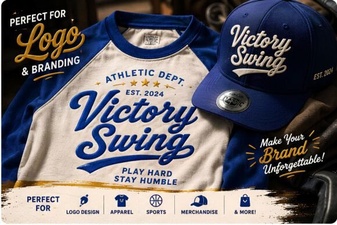 Victory Swing Font: Design Ideas & Creative Uses
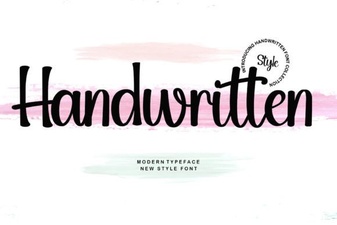 Craft Projects with Creative Handwritten Fonts
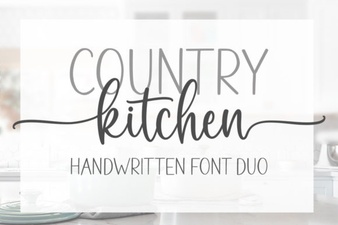 Rustic Charm: Country Kitchen Font Ideas
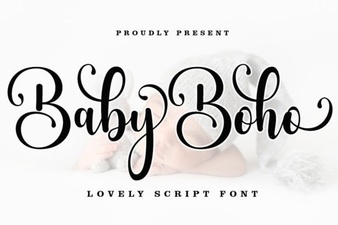 Crafting Soft & Creative Boho Baby Font Designs
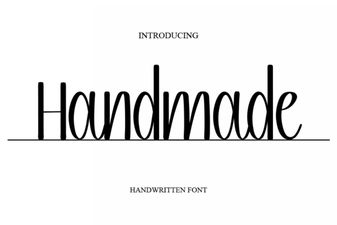 Craft Creative Projects with Handmade Fonts