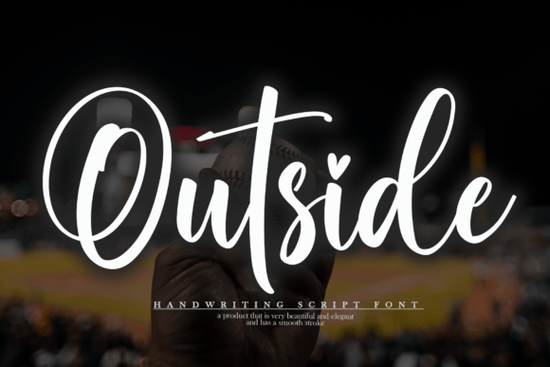
When you need a typeface that feels approachable without sacrificing structure, Outside Font delivers exactly that balance. Designed as a casual handwritten style, it mimics natural pen strokes while keeping letter spacing consistent enough for everyday use. Whether you are crafting social media posts, designing printable stickers, or setting up a shop banner for a small business, this script brings warmth to your layout. Unlike overly messy brush styles that lose readability at smaller sizes, it maintains clear character shapes that work well across both digital screens and physical prints.
What gives this script its friendly, handwritten charm?
The core strength lies in its relaxed stroke order and soft terminal edges. Each character carries a light slant that suggests movement, yet the capitals stay grounded for easy scanning. The x-height sits comfortably above average, which helps lowercase letters breathe when used in mid-size headlines. Crafters often reach for it when they want something personal but still polished. Its consistent baseline prevents alignment headaches during multi-line compositions.
Where does this script fit best in your projects?
Because of its legible flow, it adapts smoothly to several creative workflows. Social media managers use it for quote overlays, since the clean curves stop competing with background photography. Print-on-demand creators apply it to tote bags, mugs, and nursery wall art, where customers look for cozy typography. When you need alternatives that share a similar playful spirit, checking out Randy Sofia or Sweet Cupcake can help you build variety across campaigns. When designing pastel-themed collections, combining this script with soft pink pastel lettering adds gentle contrast to stationery sets.
How should you pair it with supporting typefaces?
Script fonts rely on contrast to stay readable, so grounding them with straightforward geometric or humanist sans-serifs works best. Choose a companion with minimal decoration and moderate weight for body text or subheadings. Keep the line length short when using the script in sentence case, because long stretches of cursive can tire the eye quickly. A clean, neutral typeface provides the visual rest needed between flowing characters. If you experiment with more structured options, you will find that Victory Swing offers a slightly more dynamic arc, while Children School brings a steadier educational feel to classroom materials.
Why choose a consistent casual script over free alternatives?
Free downloadable scripts often suffer from uneven kerning, missing ligatures, or inconsistent stroke weights. Licensing matters too, especially when scaling designs for commercial products. Commercially released families usually include proper OpenType features, extended character sets, and tested metric compatibility. Using officially licensed versions guarantees proper file access and clear usage rights for your products. Testing Outside Font through verified channels ensures the baseline and cap height align correctly across design software versions.
What practical tips should you follow during setup?
Start by importing the complete family file set into your design environment. Adjust the tracking slightly if you plan to use it for large-format printing, since ink spread can soften thin details. Always convert outlines only after finalizing placement, and keep a layered source file open for future edits. Checking color contrast against your background keeps the handwritten style from blending into packaging finishes.
- Verify character coverage includes numbers, punctuation, and special symbols before starting a layout
- Test scalability by shrinking the headline to one inch and reading it without zooming
- Keep decorative accents separate from main text layers for easy swapping later
- Save export settings for both web previews and high-resolution print runs
Taking these steps saves time during revision rounds and keeps your output consistent. Once you understand how the letterforms interact with different backgrounds, you will spend less time fixing spacing and more time experimenting with layouts. Try setting up a single quote card, adjust the baseline manually, then compare it side-by-side with a standard grid alignment. Those small refinements make your designs look intentionally crafted.
Explore Design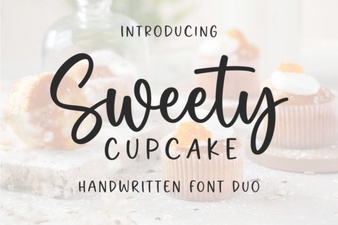 Sweet Cupcake Font for Digital Baking Projects
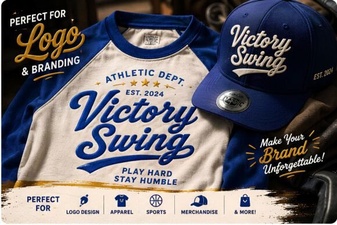 Victory Swing Font: Design Ideas & Creative Uses
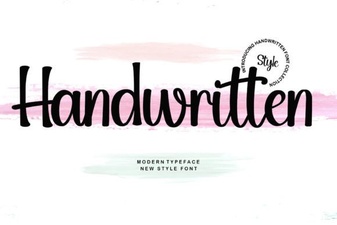 Craft Projects with Creative Handwritten Fonts
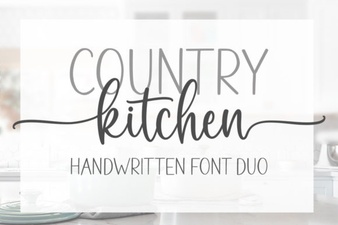 Rustic Charm: Country Kitchen Font Ideas
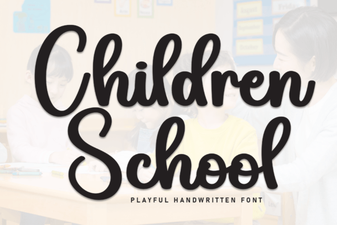 Fonts for Schools: Creative Typefaces for Children's Projects
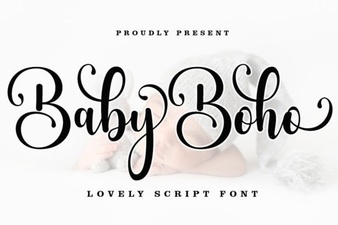 Crafting Soft & Creative Boho Baby Font Designs