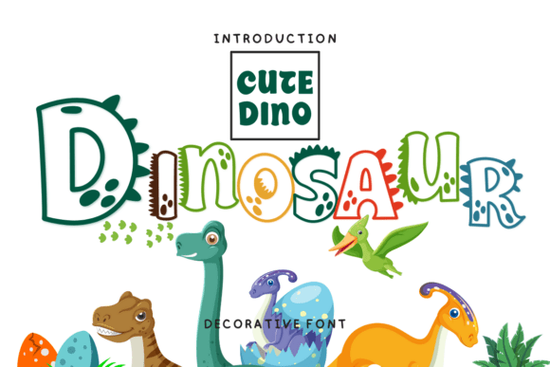
If you are looking for a typeface that instantly grabs attention while keeping things light and approachable, Dinosaur Font fits that need perfectly. It is a playful, hand-drawn style alphabet that works well for projects requiring a friendly touch rather than strict professionalism. Whether you run a small online shop, cut decals for vinyl planners, or design custom stationery for friends, this character set gives your layout an immediate sense of whimsy without feeling cluttered.
What Makes This Typeface Stand Out on Printable Projects?
The letters carry a slightly uneven baseline and rounded edges that mimic handwriting done with a thick marker. That deliberate imperfection reads as warm and personal, which is exactly why crafters lean toward it for journaling templates, habit trackers, and bullet-point lists. When you place it on a coffee mug or a tote bag, the shapes hold their weight even after heat pressing. Unlike highly stylized novelty scripts that become hard to scan quickly, this style maintains clear letter spacing, so your text stays readable at smaller sizes.
It also pairs easily with simpler sans-serifs or clean block caps. You might use the main message in the playful style and drop secondary details like pricing or shipping instructions into a neutral system typeface. That contrast keeps the design from looking too busy, especially when you are filling limited space on product tags or packaging inserts.
How Small Business Owners Apply It in Daily Production
Sellers who handle print-on-demand workflows often search for fonts that survive multiple rendering stages. This character set translates cleanly through most design software and exports sharply as vector outlines or high-resolution raster files. You will notice it performs well across different output methods:
- Heat press transfers: The thick strokes absorb ink evenly, reducing the risk of thin lines breaking during peeling.
- Vinyl cutting: Minimal internal bridges mean less weeding time and faster blade swaps.
- Digital downloads: Customers love receiving printable wall art or planner stickers where the typography feels hand-crafted.
When you prepare artwork for batch production, keep a master style sheet with your chosen sizing. A consistent point range between forty-eight and seventy-two points usually delivers the best balance of legibility and visual impact on standard layouts.
Which File Formats Support Your Cutting Machine?
Before importing any new character set into your workflow, verify the package contents. Most modern distributions include OTF and TTF versions alongside SVG cuts and PNG transparent layers. If your machine relies on precise node editing, the vector files will save you hours of tracing. For quick mockups or social media previews, the PNG variants already account for background removal, which speeds up testing phases significantly.
If you want to explore complementary shapes before committing to a full project layout, you can browse additional playful alphabets that share a similar aesthetic direction. Mixing two distinct hand-lettered families works well when you separate them by clear hierarchy, such as reserving the bolder option for headlines and saving the lighter sibling for body copy.
Best Practices for Maintaining Readability
Playful typography tends to lose its edge when designers push contrast too far. High-contrast color pairings like bright yellow on white create visual vibration that strains the eyes. Instead, ground the design with medium tones like slate gray, navy, or deep forest green. You can also add subtle texture behind the letters if you are working on rustic-themed merchandise, but keep the underlying pattern low-opacity so the characters remain the focal point.
Another common mistake involves stretching the glyphs horizontally or vertically. Distorting the original proportions alters the intended stroke weight and ruins the balanced rhythm built into the spacing. Always use the transform tool to scale uniformly, or manually adjust individual tracking values when you need tighter or looser grouping.
Where to Find Reliable Resources Before Purchasing
Commercial licenses vary widely, especially when you plan to sell physical products or digital bundles. Verify whether the agreement covers unlimited merchandising runs, limits on unit sales, or restrictions on resale platforms. Most creator marketplaces provide transparent terms directly inside the preview pane, so check the usage guidelines before adding items to your cart. Keeping a record of your purchase receipts also helps when you face platform audits later on.
For broader inspiration on how professional creators structure their folders and export routines, checking out trusted resources like Dinosaur Font can give you a clear starting point. Understanding proper licensing prevents unexpected fees and lets you focus on production instead of legal checks.
Quick Setup Checklist for Your Next Project
- Confirm the license covers your intended sales volume and platform.
- Test print a single sample to check bleed and ink absorption.
- Outline all text paths before sending final files to your printer.
- Save both editable source files and flattened export copies in separate folders.
- Run a proofread pass focused solely on kerning adjustments between awkward letter pairs.
Keep these steps in mind whenever you bring a new character set into your workflow. A structured approach reduces revision cycles and helps your finished pieces look polished right from the first proof.
Explore Design Modern Blackletter Fonts for Creative Design Projects
 Design & Print Projects Using Juicy Lemon Font
 Sweet Cupcake Font for Digital Baking Projects
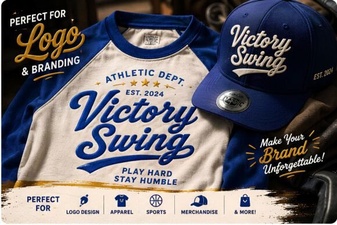 Victory Swing Font: Design Ideas & Creative Uses
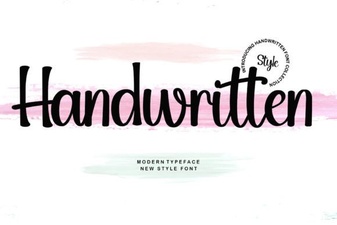 Craft Projects with Creative Handwritten Fonts
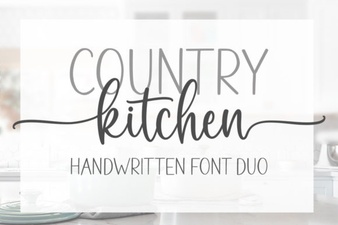 Rustic Charm: Country Kitchen Font Ideas