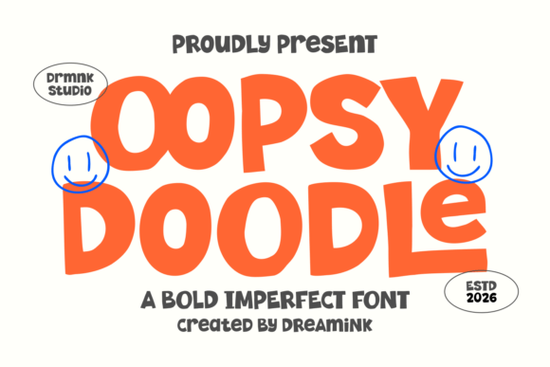
If you are looking for a typeface that skips the rigid grid and leans into playful imperfection, the Oopsy Doodle Font delivers exactly that vibe. Designed around a hand-cut, scrapbook aesthetic, this display face uses chunky letterforms and uneven baselines to mimic physical paper crafts without requiring any actual scissors or glue. For print-on-demand sellers and small business owners, it bridges the gap between messy creativity and clean production files. The strokes carry a spontaneous energy that reads well on stickers, tote bags, and short social captions, while still maintaining enough structure to stay legible when scaled down. You can preview how it behaves across different weights and spacing options before buying by checking out the Oopsy Doodle page on Creative Fabrica.
What visual style does this cut-out typography actually support?
The design leans heavily into tactile, maker-friendly aesthetics. Rather than relying on smooth vector curves, the characters feature jagged edges, slight gaps between letters, and a deliberately shifted vertical rhythm. This gives your projects an artisanal feel that mass-produced templates usually lack. When designing for youth markets or indie lifestyle brands, those minor misalignments read as intentional charm rather than errors. If you prefer cleaner geometric cuts instead of rougher edges, you might also want to explore some simple stacked alternatives that achieve a similar modular look. Still, for anyone chasing that scrappy, handmade poster vibe, this typeface stays true to its roots.
Where does this imperfect display face perform best?
Short headlines, event posters, and product packaging all benefit from the strong visual weight of these thick letterforms. Because the characters are spaced generously and built with high contrast, they remain readable even on busy backgrounds or textured substrates like kraft paper and fabric transfers. Crafters frequently drop it onto mugs, wood signs, and vinyl decals, while POD artists run it over faded gradients or halftone photos to create retro merch designs. Social media content creators also use it for weekend sale banners and quote graphics where quick visual stops matter more than long paragraphs. If your current portfolio leans toward distressed textures or weathered labels, you will likely find a natural match in collections featuring grunge-style display faces.
How should you pair it with other fonts in your layout?
Since this display face already carries heavy visual noise, the safest route is to let it take the lead. Use a lightweight sans-serif or a clean serif for body copy, subheadings, and pricing details. That contrast prevents the design from feeling cluttered and keeps information hierarchy clear. Try setting your main message in this chunky typeface, then drop supporting text into a restrained geometric font at half the point size. Keep line lengths short when working exclusively with display text, and allow plenty of breathing room between lines to compensate for the irregular ascenders and descenders. Designers who regularly experiment with aged materials or vintage studio prints often gravitate toward options that share that worn-in quality, such as those found among popular dusty vintage faces.
Can you actually use this for commercial products?
Yes, but you should always verify the specific license attached to your downloaded package. Most marketplaces offer a standard Commercial Use License that covers physical merchandise like shirts, stickers, and home decor, while reserving extended rights for large-scale corporate branding or resale template files. Always read the terms regarding print runs, customer limits, and whether you can distribute the font file itself. Keeping your purchase receipts organized makes client revisions and audit checks much easier down the road. If you want to compare licensing structures across different styles, you might also browse through modern bold comic-inspired typefaces that follow similar usage guidelines.
What steps should you take before finalizing your artwork?
Testing your chosen typeface across multiple mockups prevents costly reprint mistakes and ensures consistent brand recognition. Run your headline through a quick readability check at both full size and thumbnail scale. Convert outlines only after verifying spelling, kerning, and line breaks, since converting too early locks in spacing adjustments. Preview your design on light and dark backgrounds to confirm the thick strokes hold up against different substrate colors. Finally, export your files in the formats required by your printer or POD platform, typically PDF/X-1a for print or PNG with transparent backgrounds for digital use.
Before you begin your next batch of designs, keep this quick production checklist handy:
- Verify which Commercial Use License tier matches your intended sales channels.
- Set a clean, thin companion font for all secondary information like price and dimensions.
- Proofread your layout twice before outlining the text layer.
- Test the headline at ten percent scale to ensure legibility on mobile feeds.
- Save layered source files alongside flattened exports for future tweaks.
Once your templates are organized and licensed correctly, you can focus entirely on crafting unique visuals instead of worrying about formatting constraints.
Try It Free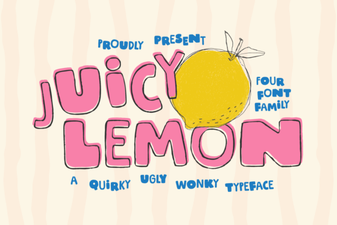 Design & Print Projects Using Juicy Lemon Font
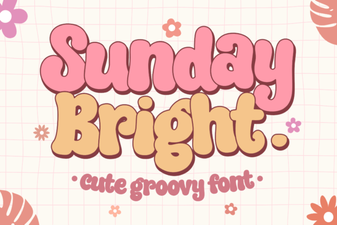 Sunday Bright: a Font for Creative Designs & Projects
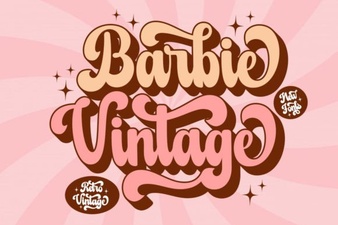 Vintage Barbie Fonts for Your Creative Projects
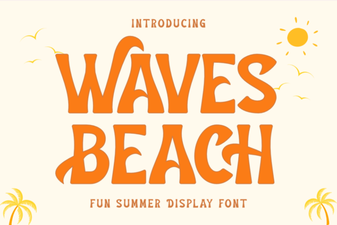 Download Waves Beach Font for Coastal Web Design
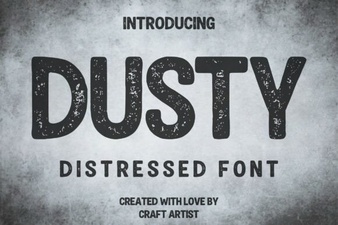 Dusty Font Projects for Artistic Designs
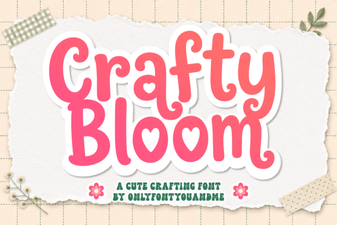 Craft Your Designs with Crafty Bloom Font